
When Does Your Electrical Panel Need an Upgrade?
Wondering if your electrical panel needs an upgrade? Learn the warning signs, when replacement or a service upgrade may be needed, and how to prepare your Northfield, MN home for EV chargers, renovations, generators, and other growing electrical demands.
When Does Your Electrical Panel Need an Upgrade?
Your electrical panel is one of the most important parts of your home, even though you may rarely think about it. It receives electricity from the utility service and distributes that power to your lights, outlets, appliances, heating and cooling equipment, and other electrical devices.
When the panel is working properly, electricity moves safely and reliably throughout the home. When the panel is outdated, damaged, overloaded, or too small for the household's electrical needs, homeowners may begin noticing frequent breaker trips, flickering lights, warm electrical components, or a lack of available space for new circuits.
These issues can be especially relevant for homeowners with older electrical systems or growing power demands. Kitchen renovations, home additions, electric vehicle chargers, standby generators, hot tubs, workshops, and new appliances can all place additional demand on a panel that was originally installed for a much simpler household.
If you are wondering whether you need a panel upgrade in Northfield, MN, the answer depends on the condition of your existing equipment, your home's electrical capacity, and how you plan to use electricity in the future.
This guide explains the warning signs of an outdated panel, the difference between panel replacement and an electrical service upgrade, and what homeowners can expect from the upgrade process.
Key Takeaways
- Frequent breaker trips can indicate overloaded circuits, faulty equipment, wiring problems, or insufficient electrical capacity.
- An older panel may not have the space or safety features needed for modern electrical demands.
- Major renovations and new high-powered equipment often require additional circuits.
- Burning smells, buzzing sounds, visible damage, or excessive heat around the panel require immediate professional attention.
- A licensed electrician can determine whether you need a repair, a panel replacement, or a complete electrical service upgrade.
- Upgrading before adding an EV charger, generator, or major appliance can help prevent delays and electrical problems.
What Does Your Electrical Panel Do?
Your electrical panel, sometimes called a breaker box or service panel, is the central distribution point for your home's electrical system.
Power enters the home and passes through the panel before being divided among individual circuits. Each circuit supplies electricity to a particular area or type of equipment, such as kitchen outlets, bedroom lighting, the air conditioner, or the clothes dryer.
Circuit breakers are designed to interrupt the flow of electricity when a circuit becomes overloaded or experiences a fault. This protection helps reduce the risk of overheated wiring and electrical damage.
However, the panel can only safely manage the amount of power it was designed to handle. As homeowners add more appliances and electrical equipment, an older system may begin operating near or beyond its intended capacity.
The panel itself may still appear functional, but that does not necessarily mean it is suitable for the home's current electrical demands.
Why Older Electrical Panels Can Become a Problem
Electrical use has changed significantly over the years. Homes now commonly include multiple televisions, computers, kitchen appliances, charging stations, smart devices, heating and cooling equipment, and home office technology.
Many households are also preparing for equipment that requires dedicated circuits, including:
- Electric vehicle chargers
- Standby generators
- Electric ranges
- Clothes dryers
- Hot tubs
- Workshop equipment
- Additional HVAC systems
- Basement living spaces
- Home additions
- Outdoor kitchens
An older electrical panel may not have enough available breaker spaces for these additions. It may also have limited electrical capacity, outdated components, or signs of wear that make continued use less reliable.
Age alone does not automatically mean a panel must be replaced. The condition of the equipment, the type of panel, the home's electrical load, and the presence of recurring problems are more important than age by itself.
A professional inspection can help determine whether the panel remains safe and appropriate for the home.
Signs You May Need an Electrical Panel Upgrade
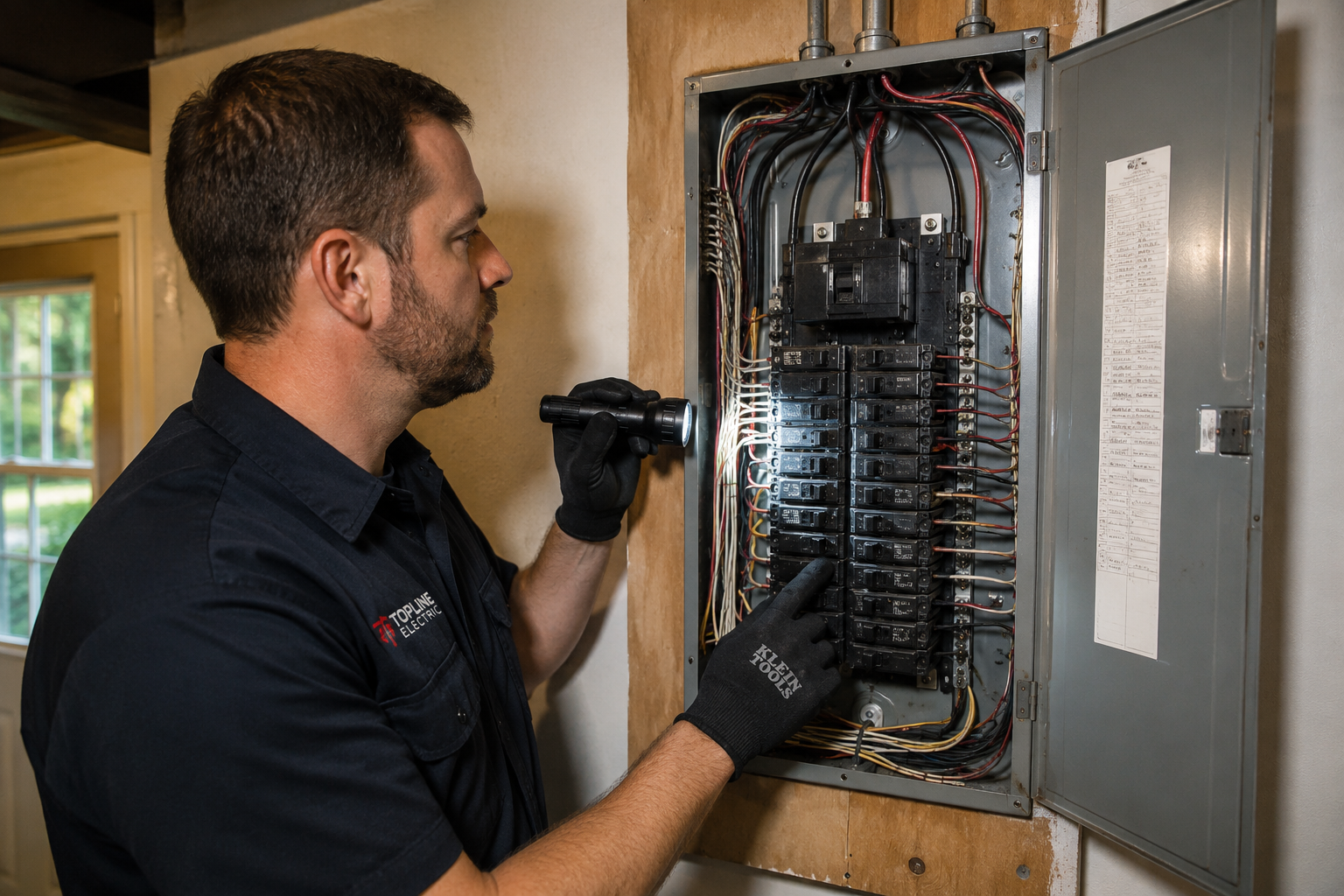
1. Your Breakers Trip Frequently
A circuit breaker that trips occasionally may simply be responding to a temporary overload. For example, using several high-powered appliances on the same circuit can cause the breaker to shut off electricity as a protective measure.
Frequent or repeated trips are different.
If the same breaker keeps tripping, there may be too much demand on that circuit. There could also be damaged wiring, a faulty appliance, a loose connection, or another electrical problem that requires electrical troubleshooting.
Resetting the breaker repeatedly does not address the cause. It can also allow a developing problem to continue unnoticed.
A licensed electrician can inspect the affected circuit, evaluate the panel, and determine whether the solution involves repairing the circuit, adding a dedicated circuit, replacing a breaker, or upgrading the panel.
Expert Insight: A tripping breaker is a warning, not an inconvenience to ignore. The breaker is responding to something happening within the electrical system. Identifying the cause is more important than simply turning it back on.
2. Your Home Still Has a Fuse Box
Fuse boxes were common in older homes and can still be found in some properties. Instead of resetting a breaker, homeowners must replace a fuse after it blows.
A properly maintained fuse system is not automatically unsafe. However, fuse boxes were generally designed for lower household electrical demands and may not provide the flexibility needed for modern equipment.
Problems can arise when incorrect fuses are installed or when homeowners rely on adapters and other improper modifications to obtain more capacity.
If your home still uses a fuse box, schedule an inspection before adding new appliances, completing a renovation, or increasing your electrical usage. Replacing the fuse box with a modern breaker panel may improve usability and provide room for properly designed circuits.
3. Your Lights Flicker or Dim
Lights that flicker or dim when an appliance starts may indicate a voltage issue, an overloaded circuit, a loose connection, or another electrical problem.
Some equipment naturally draws more power when starting. However, noticeable dimming throughout the home should not be accepted as normal without an inspection.
Pay attention to when the problem occurs.
Does it happen when the air conditioner turns on? Do the kitchen lights dim when the microwave or another appliance is used? Does the issue affect one room or several areas of the home?
Those details can help an electrician locate the source of the problem.
Flickering lights do not always mean you need a new electrical panel, but they are a reason to have the system evaluated.
4. The Panel Is Warm, Buzzing, or Producing a Burning Smell
Your electrical panel should not produce a burning odor, sizzling sound, crackling noise, or excessive heat.
These symptoms can indicate a loose connection, damaged breaker, overheating component, overloaded circuit, or deteriorating equipment.
Discoloration, melted insulation, scorch marks, and visible corrosion are also serious warning signs.
Do not remove the electrical panel cover or attempt to repair internal components yourself. Dangerous voltage may remain present even when the main breaker is turned off.
If you smell burning, see smoke, or notice unusual heat near the panel, avoid touching it and contact a licensed electrician immediately. An active electrical fire requires emergency assistance.
5. You Have No Room for Additional Breakers
A full electrical panel can make future improvements difficult.
Adding a new circuit requires more than finding an empty physical space. The panel and electrical service must also have enough capacity to support the additional load safely.
Homeowners often discover this problem when planning:
- A kitchen remodel
- A finished basement
- A home office
- A garage workshop
- New outdoor lighting
- A hot tub
- An EV charger
- A generator
- Additional heating or cooling equipment
In some situations, an electrician may be able to reorganize circuits or install approved equipment that fits the existing panel. In other cases, panel replacement or a larger service upgrade may be the safest long-term solution.
6. You Rely Heavily on Extension Cords or Power Strips
Extension cords and power strips are useful for temporary applications, but they should not replace permanent wiring.
If you regularly use extension cords because rooms do not have enough outlets, your home's electrical system may no longer meet your daily needs.
Adding receptacles may require new circuits, particularly in kitchens, garages, workshops, basements, and home offices. If the panel has limited space or capacity, those improvements may need to be completed as part of a larger electrical upgrade.
A licensed residential electrician can evaluate your outlet usage and recommend a safer permanent solution.
7. You Are Planning a Major Renovation
Renovations often increase electrical demand.
A remodeled kitchen may require dedicated circuits for new appliances. A finished basement may need additional outlets, lighting, smoke alarms, and heating equipment. A home addition may require several entirely new circuits.
Electrical planning should happen early in the renovation process. Waiting until walls are open or equipment has already been purchased can lead to delays and unexpected costs.
Before beginning a major project, ask an electrician to perform a load calculation and inspect the existing panel. This will help determine whether the current system can support the planned improvements.
8. You Are Installing an EV Charger
A Level 2 electric vehicle charger typically requires a dedicated circuit. The specific electrical requirements depend on the charging equipment, the vehicle, and the home's available capacity.
An EV charger installation is not simply a matter of adding another breaker. An electrician must evaluate the total household load and confirm that the service can support the charger while other equipment is operating.
Some homes can accommodate an EV charger without replacing the panel. Others may require load management equipment, panel modifications, or an electrical service upgrade.
Having the system evaluated before selecting a charger can help homeowners choose equipment that works with their property.
9. You Are Adding a Standby Generator
A standby generator can provide backup power during outages, but it must be integrated safely with the home's electrical system.
Generator installations may involve transfer equipment, selected backup circuits, or whole-home power distribution. The existing panel must be compatible with the planned installation and have sufficient space for the necessary equipment.
If you are considering generator installation, it is a good time to have your panel and service capacity inspected. Addressing panel limitations during the planning stage can make the installation more efficient.
10. Your Electrical Needs Have Outgrown the Home's Original Design
Sometimes there is no single dramatic warning sign. Instead, homeowners gradually add appliances, devices, and equipment until the electrical system no longer works conveniently.
You may notice that certain appliances cannot be used at the same time. Breakers may trip during normal household routines. Rooms may have too few outlets. The panel may be full, and every future project may require another workaround.
These patterns can indicate that the home's electrical infrastructure needs to be updated.
A properly planned breaker panel upgrade can provide the capacity and circuit space needed for both current use and reasonable future additions.
Electrical Panel Replacement vs. Electrical Service Upgrade
These terms are related, but they do not always describe the same project.
An electrical panel replacement involves removing the existing panel and installing a new one. This may be necessary because the current panel is damaged, outdated, full, or difficult to service.
An electrical service upgrade may involve increasing the amount of power available to the home. Depending on the property, the project can include changes to the service entrance, meter equipment, grounding system, main panel, and utility connection.
Some homeowners need a new panel without a major increase in service capacity. Others need both a panel replacement and a service upgrade.
The correct approach depends on:
- The home's current electrical service
- The condition of the existing equipment
- The calculated household load
- Planned appliances and improvements
- Available panel space
- Utility requirements
- Applicable electrical and building requirements
An electrician should inspect the property before recommending either option.
Can an Electrical Panel Be Repaired Instead?
Not every electrical issue requires a complete panel replacement.
A repair may be appropriate when the overall panel is in good condition and the problem is limited to a specific breaker, circuit, connection, or component.
For example, a frequently tripping breaker may be caused by a faulty appliance or overloaded branch circuit rather than insufficient panel capacity. Flickering lights may result from a loose connection elsewhere in the system.
However, repair may not be the best long-term option when the panel has extensive corrosion, heat damage, unavailable replacement parts, limited capacity, or recurring problems.
The goal should be to correct the source of the issue, not sell a replacement that the home does not need. A thorough inspection allows the electrician to compare repair and replacement options clearly.
What Happens During a Panel Upgrade?
The process begins with an on-site assessment.
The electrician will review the existing panel, service size, grounding system, major electrical loads, available circuit space, and visible wiring conditions. The homeowner should also discuss any planned additions, such as an EV charger, generator, hot tub, remodel, or new HVAC equipment.
The electrician may then complete an electrical load calculation to determine the appropriate panel and service capacity.
A typical project may include:
- Planning the new electrical configuration
- Obtaining required permits
- Coordinating utility involvement when necessary
- Safely disconnecting electrical service
- Removing the existing panel
- Installing the new panel and breakers
- Updating grounding or bonding components as needed
- Labeling the circuits clearly
- Testing the completed system
- Completing required inspections
Power will need to be turned off during part of the project. The electrician should explain the expected interruption and help the homeowner prepare before work begins.
Benefits of an Electrical Panel Upgrade
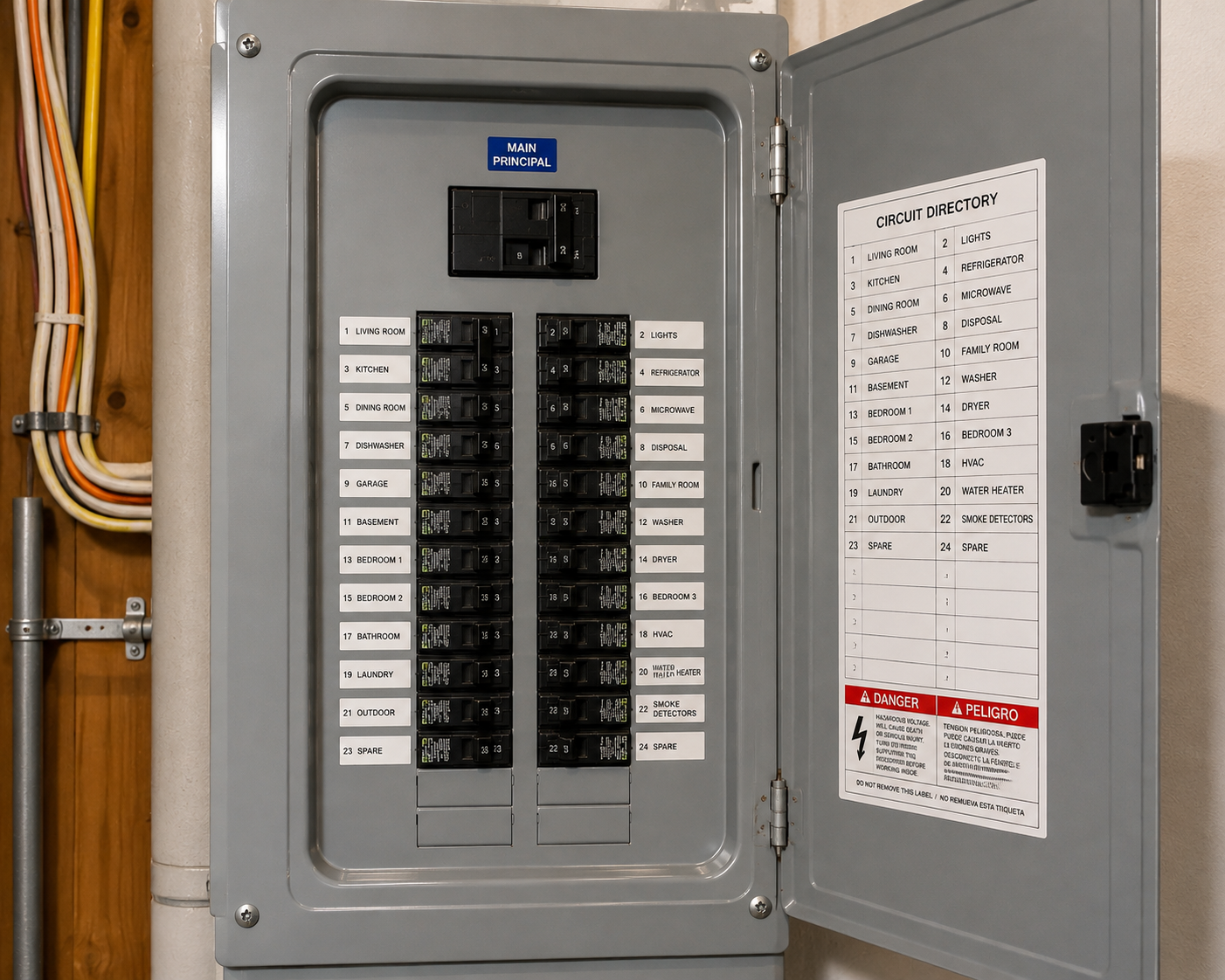
A properly designed panel upgrade can provide several practical benefits.
More Reliable Electrical Performance
A modern panel with properly sized circuits can help reduce problems caused by insufficient capacity and overcrowded equipment.
Room for Future Circuits
Additional breaker space makes it easier to plan renovations, appliance installations, EV charging, outdoor projects, and other electrical improvements.
Improved Safety
Replacing damaged or unsuitable equipment allows the system to be updated using properly installed modern components.
Better Support for Modern Appliances
New appliances and equipment often require dedicated circuits. An upgraded system can provide the infrastructure needed to operate them safely.
Clearer Electrical Organization
A new panel gives the electrician an opportunity to identify, organize, and label circuits accurately, making future maintenance easier.
Preparation for Future Home Improvements
Even if you are not adding major equipment immediately, planning for reasonable future demand can make it easier to accommodate improvements such as EV charging, generator equipment, or whole-home surge protection without immediately running into panel space or capacity limitations.
Local Considerations for Northfield Homeowners
Electrical systems can vary significantly from one Northfield home to another. An older property may have been updated in stages over many years. The panel may be newer than some of the wiring, or an addition may have been connected to an existing system with limited capacity.
Minnesota weather can also influence household electrical use. During colder months, homeowners may rely more heavily on space heaters, heating equipment, lighting, and backup power solutions. Using several high-demand devices at the same time can expose weaknesses in undersized or overloaded circuits.
Before winter, homeowners should pay attention to breakers that trip when heating equipment is used, outlets that feel warm, flickering lights, and extension cords being used as permanent power sources.
A licensed electrician in Northfield can inspect your panel, identify potential concerns, and determine whether the electrical system is prepared for heavier seasonal demand.
Choosing an Electrician for a Panel Upgrade in Northfield, MN
Electrical panel work should always be completed by a qualified professional.
When comparing electricians, look for someone who will inspect the full system rather than recommending a replacement based on one symptom. The electrician should explain whether the problem involves the panel, the service capacity, a branch circuit, an appliance, or another part of the electrical system.
A professional estimate should clearly describe:
- The recommended panel or service size
- The reason the upgrade is needed
- The equipment being installed
- Permit and inspection responsibilities
- Utility coordination, when applicable
- Expected power interruption
- Related electrical corrections
- Project scope and pricing
You should feel comfortable asking why a particular upgrade is being recommended and how it supports your current and future electrical needs.
Schedule a Professional Electrical Panel Evaluation
You do not have to wait for a complete electrical failure before having your panel inspected.
Frequent breaker trips, flickering lights, a full breaker panel, burning odors, unusual heat, and plans for high-powered equipment are all reasons to schedule an evaluation.
Topline Electric helps homeowners understand whether their electrical system needs a repair, a breaker panel upgrade, or a complete electrical service upgrade. The goal is to provide a safe, practical solution based on the condition of the home and the household's actual power needs.
For professional panel upgrade service in Northfield, MN, contact Topline Electric to schedule an electrical evaluation. A licensed electrician can inspect your system, explain the available options, and help prepare your home for reliable electrical use now and in the future.
Frequently Asked Questions
How do I know if I need a panel upgrade in Northfield, MN?
Common warning signs include frequent breaker trips, flickering lights, a burning smell near the panel, buzzing sounds, visible corrosion, a fuse box, limited breaker space, or difficulty operating multiple appliances at the same time. You may also need an upgrade before adding an EV charger, generator, hot tub, major appliance, or home addition. A professional inspection is the best way to determine whether the panel is the source of the problem.
Does a frequently tripping breaker mean my electrical panel is bad?
Not necessarily. A breaker may trip because a circuit is overloaded, an appliance is faulty, wiring is damaged, or the breaker itself has a problem. Frequent trips should still be investigated. An electrician can test the affected circuit and determine whether you need a repair, an additional circuit, or a larger panel.
Can I add more breakers to my existing electrical panel?
You can only add breakers if the panel is approved for the equipment, has available physical space, and has sufficient electrical capacity. An empty breaker position does not automatically mean the home can support another high-demand circuit. An electrician should calculate the electrical load before adding equipment such as an EV charger, hot tub, generator, or large appliance.
What is the difference between a breaker panel upgrade and a service upgrade?
A breaker panel upgrade replaces or expands the panel that distributes electricity throughout the home. A service upgrade may increase the amount of electricity available to the property and can involve the panel, meter equipment, service entrance, grounding system, and utility connection. Some projects require only panel replacement, while others require a complete service upgrade.
Do I need a panel upgrade before installing an EV charger?
It depends on the charger's requirements and the home's available electrical capacity. Some homes can support a charger using the existing panel. Others may need load management equipment, a new dedicated circuit, panel replacement, or a service upgrade. Have an electrician evaluate the system before purchasing or installing the charger.
How long does an electrical panel upgrade take?
The timeline depends on the scope of work, the condition of the existing system, permit requirements, inspections, and whether utility coordination is necessary. A straightforward residential panel replacement may be completed within a working day in some cases, while more involved service upgrades can take longer. Your electrician should provide a project-specific timeline before work begins.
Will the power be turned off during the panel replacement?
Yes. The electrical service must be disconnected so the existing panel can be removed and the new equipment installed safely. The length of the outage depends on the project. Homeowners should make arrangements for refrigerated food, medical equipment, internet access, remote work, pets, and other needs that depend on electricity.
Who should I call for an electrical panel upgrade in Northfield, MN?
Contact a licensed residential electrician with experience in panel replacements, service upgrades, load calculations, permitting, inspections, and utility coordination. Topline Electric provides electrical panel evaluations and upgrade services for homeowners in Northfield and surrounding areas.
