
Common Electrical Problems in Northfield Homes and When to Call an Electrician
Flickering lights, tripped breakers, and dead outlets often start as small issues but can signal larger electrical problems. Learn the warning signs, what they may mean, and when it's time to call a licensed electrician.
Key Takeaways
- Many electrical problems begin with subtle warning signs like flickering lights or frequently tripping breakers.
- Some issues have simple explanations, while others may indicate hidden wiring or electrical panel problems.
- Electrical troubleshooting should always prioritize safety—certain warning signs require immediate professional attention.
- Regular inspections and timely repairs can help reduce the risk of electrical fires and unexpected power outages.
- A licensed electrician can accurately diagnose problems that aren't visible from the surface.
Electrical Problems Often Start Small
Electrical systems are designed to operate safely for many years, but like any part of a home, they experience wear over time. A light that flickers occasionally or a breaker that trips once may not seem like a major concern. However, repeated electrical issues can be early warning signs of underlying problems that deserve professional attention.
Whether you're dealing with flickering lights, tripping breakers, dead outlets, or unusual electrical odors, identifying the cause early can help prevent more extensive repairs and keep your home safe. Homeowners in Northfield can benefit from having recurring electrical problems inspected before they develop into larger safety hazards.
In this guide, we'll cover some of the most common electrical problems found in homes, what may be causing them, and when it's time to contact a licensed electrician in Northfield for professional electrical troubleshooting and repair.
Why Electrical Problems Shouldn't Be Ignored
Many electrical issues don't simply disappear on their own. Instead, they often become more noticeable as components continue to wear or as electrical demand increases.
Ignoring electrical warning signs can lead to:
- Damaged appliances
- Frequent power interruptions
- Higher repair costs
- Reduced electrical efficiency
- Increased risk of electrical shock or fire
Some problems, such as a loose wire inside a wall or an overloaded electrical panel, may not be visible without proper testing equipment. That's why professional troubleshooting is often the safest approach when symptoms continue.
1. Circuit Breakers That Keep Tripping
Quick Answer
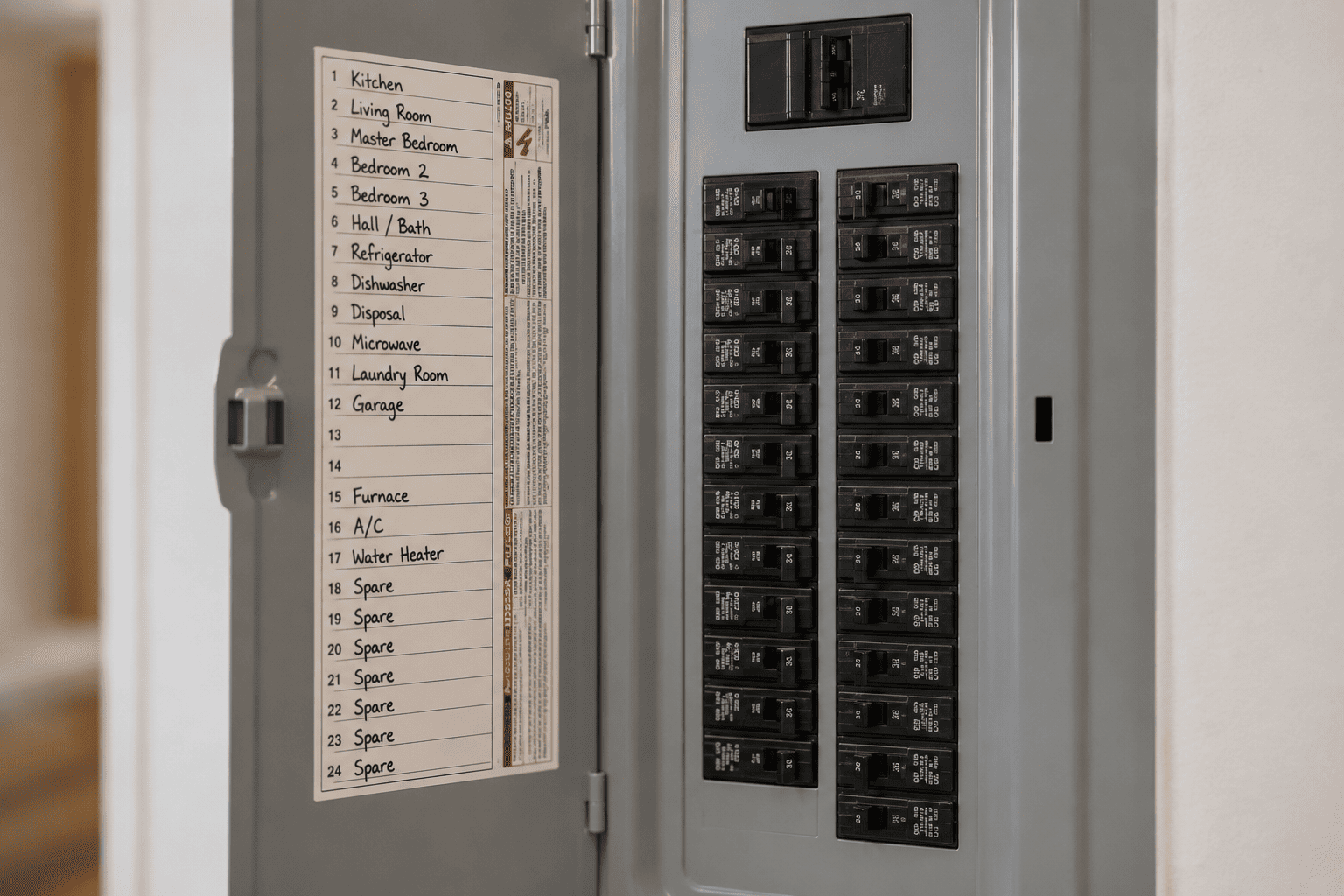
A circuit breaker that trips repeatedly usually indicates that the circuit is overloaded, there's a short circuit, or there's a ground fault that needs investigation.
Circuit breakers are designed to shut off power when they detect unsafe electrical conditions. While an occasional trip isn't unusual, frequent trips shouldn't be ignored.
Common causes include:
- Too many appliances operating on one circuit
- Faulty appliances
- Damaged wiring
- Aging circuit breakers
- Ground faults
- Short circuits
If resetting the breaker only provides temporary relief, avoid repeatedly turning it back on. A licensed electrician can determine whether the issue lies with the breaker itself, the wiring, or the connected devices.
2. Flickering or Dimming Lights
Quick Answer
Occasional flickering may result from a loose bulb, but lights that frequently flicker throughout the home can indicate wiring or electrical panel issues.
Many homeowners first notice electrical problems when lights begin flickering.
Possible causes include:
- Loose light bulbs
- Worn light switches
- Loose electrical connections
- Overloaded circuits
- Voltage fluctuations
- Problems inside the electrical panel
If lights dim whenever large appliances start, such as an air conditioner or microwave, your electrical system may be struggling to handle changing electrical loads.
An electrician can test voltage levels and inspect the home's wiring to identify the underlying cause.
3. Dead Electrical Outlets
Quick Answer
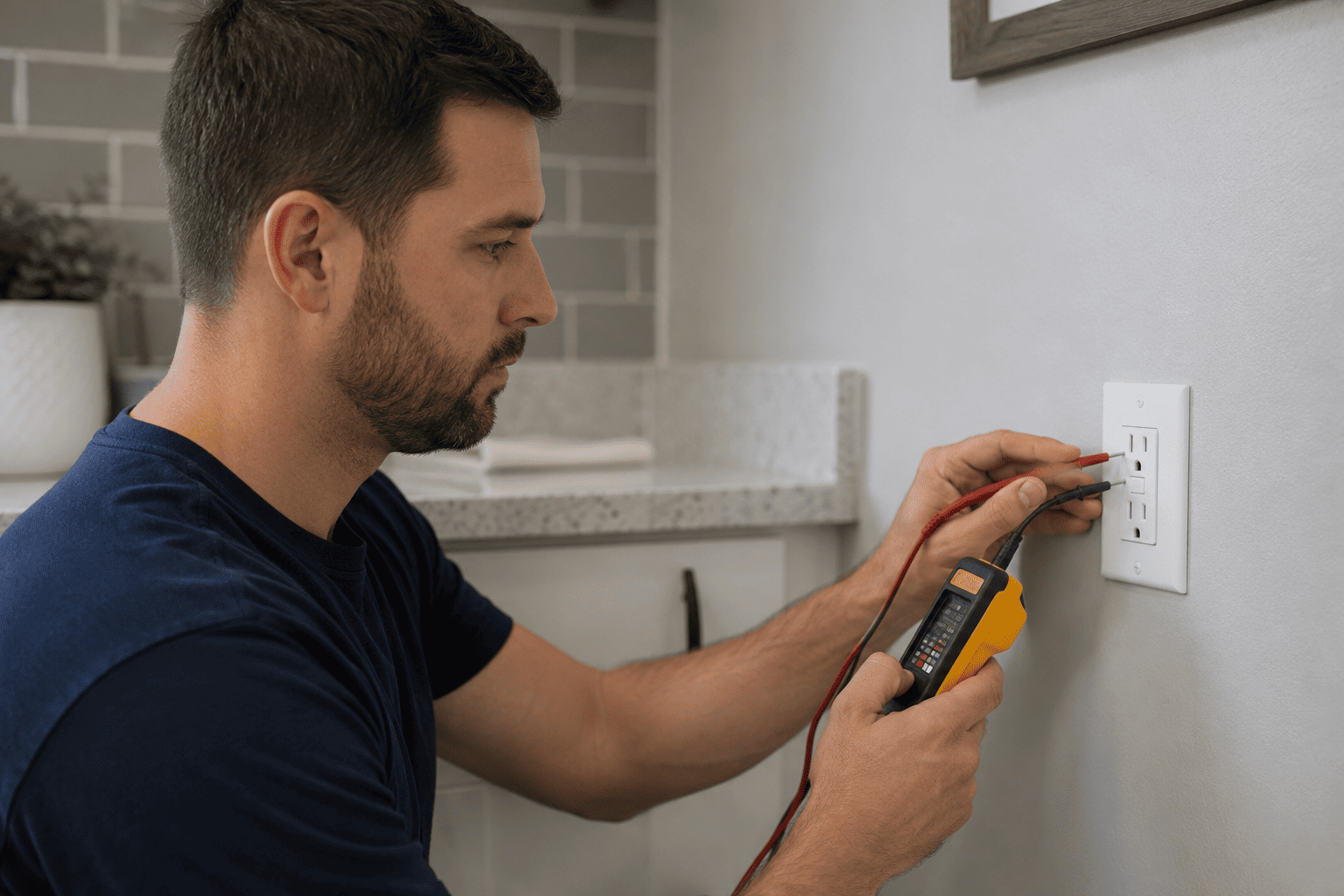
An outlet that suddenly stops working may have a tripped GFCI, a damaged receptacle, loose wiring, or another electrical fault.
Before assuming an outlet has failed, homeowners can safely check:
- Whether a nearby GFCI outlet has tripped
- The home's electrical panel for a tripped breaker
If the outlet still has no power, professional troubleshooting is recommended.
Avoid removing outlet covers or attempting wiring repairs yourself, as energized wiring can present serious shock hazards.
4. Burning Smells or Warm Outlets
Quick Answer
A burning odor, discolored outlet, or outlet that feels warm should always be treated as a potential electrical emergency.
Electrical components should never produce burning smells during normal operation.
Possible causes include:
- Loose electrical connections
- Damaged wiring
- Overheating outlets
- Overloaded circuits
- Internal arcing
If you notice:
- A burning plastic smell
- Scorch marks
- Buzzing sounds
- Smoke
- Heat coming from an outlet or switch
turn off power to the affected circuit if it is safe to do so and contact a licensed electrician immediately.
Do not continue using the outlet until it has been inspected.
5. Frequently Blown Light Bulbs
Replacing a light bulb occasionally is perfectly normal. However, bulbs that burn out much sooner than expected may point to an electrical issue rather than a problem with the bulb itself.
Potential causes include:
- Incorrect bulb wattage
- Loose socket connections
- Excessive vibration
- High household voltage
- Faulty fixtures
A professional inspection can determine whether the fixture itself requires repair or if the problem originates elsewhere in the electrical system.
6. Buzzing Switches or Outlets
Electrical systems should operate quietly.
A switch or outlet that produces buzzing, crackling, or humming sounds may indicate loose wiring, internal arcing, or worn electrical components.
Because electrical arcing can create excessive heat, these sounds should never be ignored.
If you hear unusual noises from switches, outlets, or your electrical panel, discontinue using the affected circuit whenever possible and arrange for a professional inspection.
7. Power Surges and Voltage Fluctuations
Quick Answer
Occasional power surges can happen during storms or utility events, but frequent surges may indicate a problem within your home's electrical system or with a connected appliance.
A power surge is a brief increase in electrical voltage. While many surges are too small to notice, repeated voltage spikes can gradually damage electronics, appliances, and sensitive equipment.
Common causes include:
- Large appliances cycling on and off
- Faulty wiring
- Aging electrical panels
- Damaged outlets
- Utility power interruptions
- Lightning during severe storms
If you frequently replace electronics or notice lights briefly brightening or dimming, an electrician can inspect your home's electrical system and recommend solutions such as repairing faulty wiring or installing whole-home surge protection.
8. Older Electrical Panels and Outdated Wiring
Quick Answer
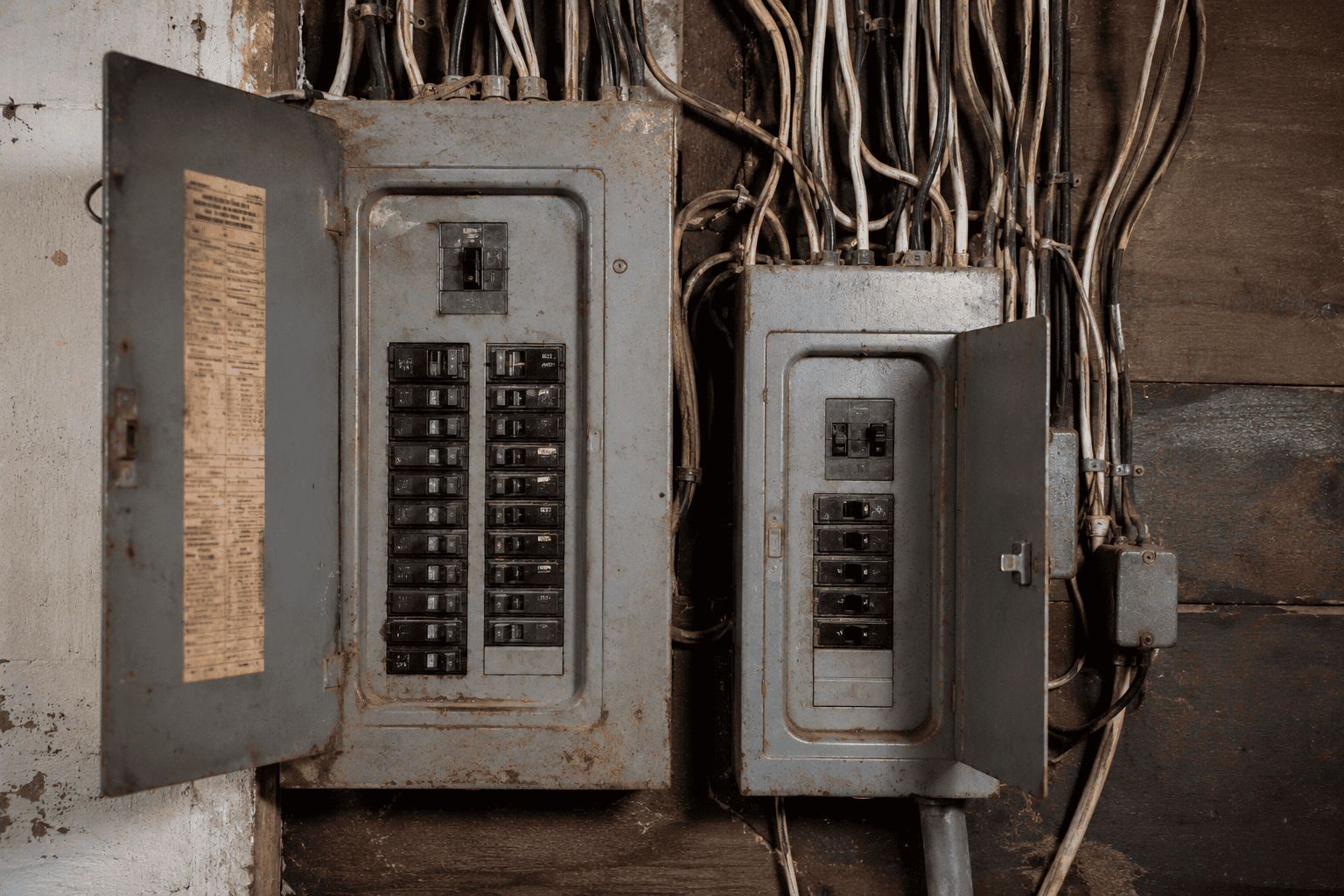
As homes age, electrical systems may no longer meet the demands of modern appliances and technology. Older panels and wiring should be evaluated if you experience recurring electrical issues.
Many homes were built before today's households relied on multiple computers, entertainment systems, EV chargers, and high-powered kitchen appliances.
An aging electrical system may show signs such as:
- Frequently tripping breakers
- Limited outlet availability
- Lights dimming when appliances start
- Buzzing from the electrical panel
- Difficulty supporting newer appliances
Older wiring can also deteriorate over time due to heat, vibration, moisture, or previous repairs.
A licensed electrician can determine whether repairs are sufficient or if an electrical panel upgrade or rewiring is the safer long-term solution.
Can Older Homes Experience More Electrical Issues?
Quick Answer
Yes. Older homes may experience more electrical problems because their wiring and electrical equipment have been in service longer and may not have been designed for today's electrical demands.
Northfield has homes built across many different decades. While age alone doesn't mean a home is unsafe, older electrical systems deserve closer attention, particularly if the property has been renovated several times or electrical additions have been made over the years.
Potential concerns include:
- Aging wiring insulation
- Older electrical panels
- Insufficient circuits for modern appliances
- Lack of modern safety devices such as GFCI or AFCI protection where required under current standards
If you're purchasing an older home or planning a major renovation, a professional electrical inspection can identify potential concerns before they become larger problems.
Simple Electrical Safety Tips for Homeowners
While many electrical repairs should be left to professionals, homeowners can reduce risks by following a few basic safety practices:
- Test GFCI outlets regularly using the built-in test and reset buttons.
- Avoid plugging multiple high-wattage appliances into the same outlet or power strip.
- Replace damaged extension cords instead of using them long-term.
- Keep electrical panels accessible and free from storage or clutter.
- Never ignore burning smells, buzzing sounds, or repeated breaker trips.
- Schedule an inspection if your home's electrical system hasn't been evaluated in many years or after significant remodeling.
Preventive maintenance often identifies small issues before they develop into more expensive repairs.
Local Considerations for Northfield Homeowners
Minnesota homeowners experience seasonal weather changes that can place additional demands on residential electrical systems.
During colder months, electric space heaters and other heating equipment can increase electrical loads. In summer, air conditioning systems and outdoor electrical equipment may place different demands on the home's circuits.
Storms can also contribute to power interruptions or voltage fluctuations that affect electronics and appliances.
These changing seasonal conditions make it especially important to ensure your electrical panel, circuits, and protective devices are functioning properly throughout the year.
When Should You Call a Licensed Electrician?
Quick Answer
Call a licensed electrician whenever an electrical problem involves repeated failures, signs of overheating, damaged wiring, or anything that creates a potential shock or fire hazard.
Professional electrical troubleshooting is recommended if you notice:
- Breakers that trip repeatedly
- Lights flickering throughout multiple rooms
- Burning odors
- Smoke or scorch marks
- Buzzing switches or outlets
- Frequently dead outlets
- Sparking outlets
- Warm switches or receptacles
- Electrical shocks when touching switches or appliances
- Water exposure involving electrical equipment
Homeowners should avoid attempting repairs inside electrical panels or modifying household wiring. These tasks require specialized knowledge, testing equipment, and safe work practices.
When in doubt, it's always safer to have the problem professionally diagnosed rather than guessing at the cause.
Why Choose Top Line Electric?
Electrical problems aren't always obvious, and finding the root cause often requires professional testing and experience.
Top Line Electric provides residential electrical troubleshooting and repair services for homeowners throughout Northfield and surrounding communities. According to the company's website, its licensed and insured electricians have completed more than 10,000 jobs, earned 370+ five-star reviews, and back their workmanship with a Lifetime Craftsmanship Guarantee. The company also offers free estimates for many residential electrical services.
Whether you're dealing with a breaker that won't stop tripping, unexplained flickering lights, or outlets that suddenly stop working, a professional inspection can help identify the issue and recommend the appropriate repair.
Frequently Asked Questions
Why does my circuit breaker keep tripping?
A breaker usually trips because it's protecting your home from an overload, short circuit, or ground fault. If the problem happens repeatedly, an electrician should inspect the circuit to identify the underlying cause.
Are flickering lights always a sign of a serious electrical problem?
Not always. A loose light bulb can cause occasional flickering, but lights that flicker throughout your home or dim when appliances start may indicate wiring or electrical panel issues that should be evaluated.
Is it safe to reset a tripped breaker?
Resetting a breaker once is generally acceptable if you understand what caused it to trip. However, repeatedly resetting a breaker without identifying the cause can create safety risks and should be avoided.
Why did one outlet suddenly stop working?
The outlet may be connected to a tripped GFCI, a tripped breaker, or it could have an internal wiring problem. If basic checks don't restore power, professional troubleshooting is recommended.
What should I do if I smell burning near an outlet?
Stop using the outlet immediately. If it's safe to do so, turn off power to the affected circuit and contact a licensed electrician. A burning smell can indicate overheating or electrical arcing and should never be ignored.
Can power surges damage my appliances?
Yes. Repeated power surges can shorten the lifespan of electronics and appliances, even if the damage isn't immediately noticeable. Surge protection and professional troubleshooting can help reduce this risk.
Should I have my home's electrical system inspected?
An inspection can be beneficial if you're purchasing an older home, planning a renovation, experiencing recurring electrical issues, or simply want peace of mind about the condition of your electrical system.
Conclusion
Many common electrical problems begin with subtle warning signs, but they shouldn't be ignored. Whether you're dealing with flickering lights, tripping breakers, dead outlets, or unexplained power issues, identifying the cause early can help improve your home's safety and prevent more extensive repairs.
If you're experiencing common electrical problems in your Northfield home, professional troubleshooting can provide clear answers and reliable solutions. Top Line Electric offers residential electrical repair and troubleshooting services to help homeowners safely diagnose and resolve electrical issues with confidence. Contact their team to schedule an inspection or request a free estimate if you're concerned about the condition of your home's electrical system.
